
Cash games
A chip is a rupee and you may stand up between any two hands. Kindest room for a beginner, because a bad call costs you that pot and nothing else — you are still sitting there afterwards.

Cash tables, MTTs and sit and go
Rain came off the Shevaroys one October Thursday and took the Fairlands power with it for forty minutes. That is how I ended up on a ₹50 FairPlay poker table by the window with a torch propped against a steel tumbler — and how I finally learned the one sum this page is built around. No house edge sits opposite you here. The room takes rake and then leaves you to the other five players.
One Sum, Every Hand
Take the call, divide it by the pot plus that call, and you have the share of the time you must win for the money to come out level. Three seconds of arithmetic settles arguments you would otherwise have with yourself for a whole street.
| Pot | To call | You are getting | You need to win |
|---|---|---|---|
| ₹900 | ₹100 | 9 : 1 | 10.0% |
| ₹500 | ₹100 | 5 : 1 | 16.7% |
| ₹1,000 | ₹250 | 4 : 1 | 20.0% |
| ₹300 | ₹100 | 3 : 1 | 25.0% |
| ₹200 | ₹100 | 2 : 1 | 33.3% |
| ₹600 | ₹300 | 2 : 1 | 33.3% |
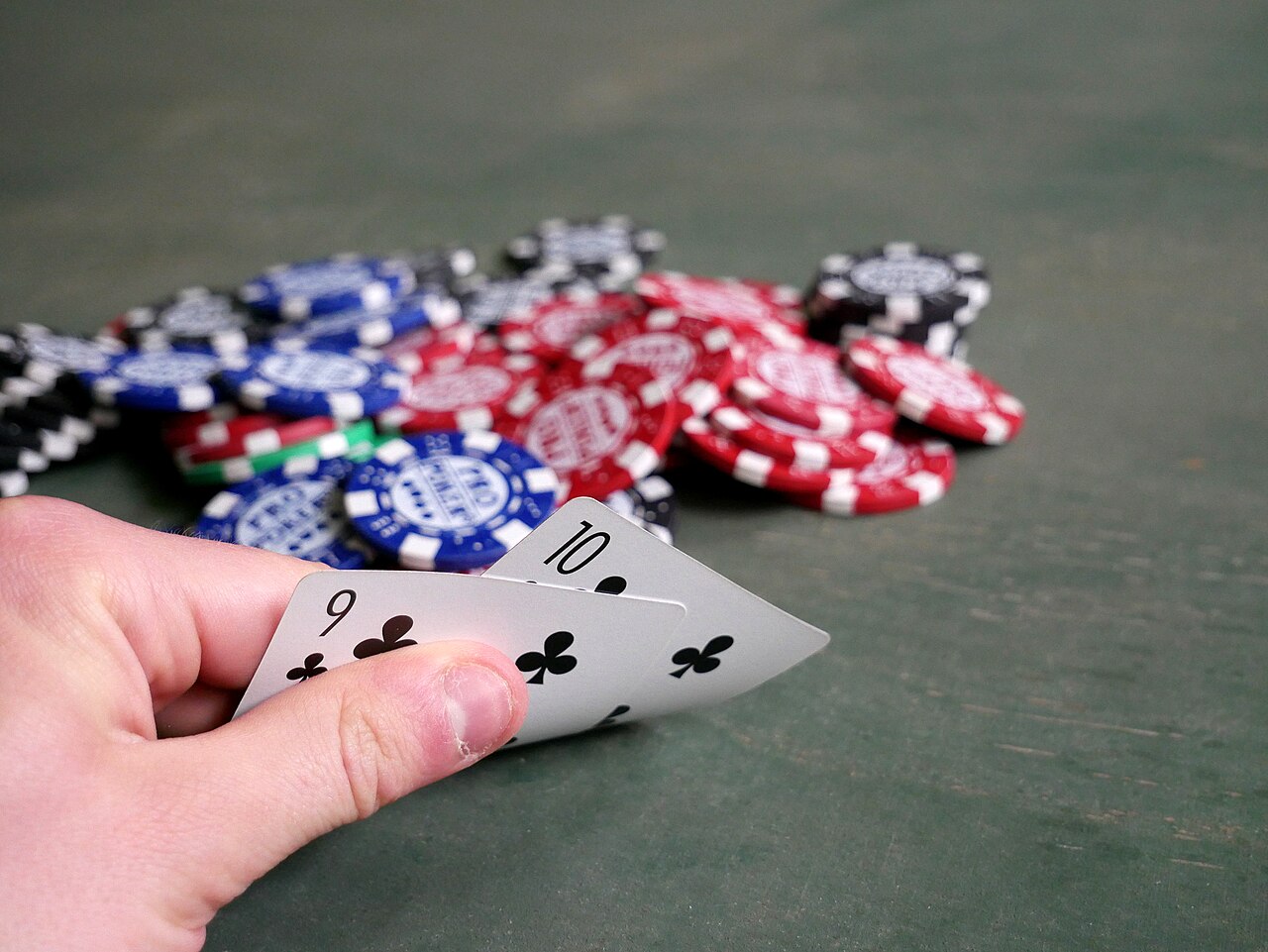
Row four and row six are the whole lesson of that Thursday. Nine cards complete a flush draw, which arrives about 35% of the time by the river. Against a ₹100 call into a ₹300 pot the price asks for 25.0%, so the call is comfortable and you make it without thinking twice. Against a ₹300 call into a ₹600 pot the same draw is asked for 33.3%, and 35% against 33.3% is not a margin worth anything once the rake and the rest of the hand are added in. The suit never changed. Only the number in front of it did.
Where The Shortcut Slips
Count the cards that rescue you, multiply by four on the flop, and you have a rough chance of getting there by the river. Dependable up to about nine outs. Past that it starts flattering you, and it flatters you hardest on exactly the hands you are most tempted to stack off with.
| Outs | Typical draw | Rule of 4 says | True chance | Error |
|---|---|---|---|---|
| 4 | Gutshot straight | 16% | 16.5% | −0.5 |
| 8 | Open-ended straight | 32% | 31.5% | +0.5 |
| 9 | Flush draw | 36% | 35.0% | +1.0 |
| 12 | Gutshot plus flush draw | 48% | 45.0% | +3.0 |
| 15 | Straight plus flush draw | 60% | 54.1% | +5.9 |
| 21 | Very big combination draw | 84% | 69.9% | +14.1 |
Notice which way the mistake runs. Below nine outs the shortcut is within a point and you can lean on it all night. Above that it starts talking you into things: a fifteen-out monster is 54.1% rather than the 60% you were sold, and a twenty-one-out hand is out by roughly fourteen points, which is the difference between a good stack-off and a bad one. The rule of 2 on the turn slopes the other way and pays you slightly short — eight outs is truly 17.4% where the rule mutters 16%. Neither needs abandoning. Both need labelling.
Formats
Quick single tables, long tournament nights and everything in between, all of it opening at ₹50.
A chip is a rupee and you may stand up between any two hands. Kindest room for a beginner, because a bad call costs you that pot and nothing else — you are still sitting there afterwards.
Pay once, keep your seat until your chips are gone or everyone else's are. Swings are wide and the evening is long, though a small entry occasionally comes back multiplied many times over.
One table, dealt the moment the last seat fills. Usually done inside the hour, and you know the total cost before the first card lands, which suits a Tuesday after work.
Four cards in your hand, exactly two of which combine with the board. Everybody holds something, the pots grow enormous, and Hold'em reflexes will quietly bankrupt you until you retrain them.
Six chairs or nine. At six the blinds reach you far more often, so hands you would fold in a nine-handed game become raises, and the whole table loosens to match.
Entry starts at ₹50 and climbs from there. A mistake at the bottom teaches you precisely what the same mistake teaches at the top, and the tuition bill is a rounding error.
Salem sits in a bowl with the Shevaroy hills leaning over one shoulder, and once the northeast monsoon settles in, the rain turns up after dark with no warning worth the name. That Thursday it brought the power down with it across our stretch of Fairlands. Dinner was finished, the fan had stopped, the street outside had gone quiet apart from water hammering off the awnings. So I sat by the grille with the phone, bought into a six-max table for ₹50, and played until the lights came back.
Almost nothing happened, and that is exactly why it is worth describing. I folded the large majority of hands. Twice, though, the flop gave me four cards to a flush, and those two hands finished in opposite ways. What separated them was not the suit, the opponent or any read I had. It was a number.
Take the first one. Two hearts in my hand, two more on the flop, which leaves nine hearts unaccounted for in the deck. Nine outs. Somewhere around 35% of the time one of them shows up across the turn and the river. A player in early seat bet, and by the time the action reached me there was ₹300 in the middle with ₹100 to call.
So: ₹100 to call, ₹300 already there, meaning I would be putting in ₹100 to collect ₹400. Divide the call by the pot plus the call and the answer is 25.0%. I win the hand about 35% of the time and I only need 25.0% of the time to break even, so the call is straightforwardly right. I called. The river bricked, I lost the pot, and the call was still right — those two facts sit together perfectly comfortably, which is the first thing poker asks you to accept.
Twenty minutes later, near enough the identical hand. Two spades in my hand, two on the board, nine outs again, roughly 35% again. This time the pot had grown to ₹600 and the bet in front of me was ₹300. Same sum, different inputs: ₹300 divided by ₹900 is 33.3%. My draw wins about 35% of the time. The gap between 35% and 33.3% is not a margin, it is a rounding error, and once you allow for the rake coming out of the pot and the fact that even hitting my flush would not always be good, there was nothing there. I folded. He showed a set. I have thought about that fold more times than about any pot I won that night.
Same cards, same shape, same phone, twenty minutes apart, and one was a call while the other was a fold. Price first, cards second. That is the mechanic, and the table further up this page is nothing more than that one division done in advance so you do not have to do it while somebody is waiting on your action.
Everywhere else in this casino, the house is the other side of your bet and the price is set before you sit down. Roulette takes 2.70% whoever you are; blackjack takes about 0.5% from someone playing it properly. Those numbers do not care how sharp you are. Poker is built differently. The operator shuffles, deals, takes a small cut of each pot and then has no stake at all in the result. Any profit you make has come out of somebody else's stack at the table.
That arrangement sounds like it removes the cost. It relocates it. Picture six players who are precisely as good as one another. With no rake taken, the game is a closed loop: all six break even for as long as they care to keep sitting. Now start taking rake, and every one of those six is losing money at exactly the rake rate, because chips keep leaving the table and none of them is bringing them back.
The requirement, then, is not to play well. It is to play enough better than the five people you happen to be sitting with to cover what the rake removes on top. That bar is higher than beginners expect, and it explains why choosing the right table matters more than any single brilliant play you will ever make. It is also the only game in the building where the question of whether you are good enough has any bearing on the answer. On every other table the house edge applies to geniuses and fools at identical rates.
A great many players in Tamil Nadu meet poker having already spent years on Teen Patti — Diwali nights, weddings, the back room of somebody's shop on Cherry Road. The encouraging part is that the difficult skill carries over untouched. Working out whether a bet is confidence or theatre, sensing when somebody has decided to make you pay, spotting the player who has stopped enjoying himself: that is the hard half of both games, and a Teen Patti regular has been practising it since school.
What Hold'em bolts on is three things. Community cards, five of them face up, which everybody builds from — and that is what creates draws, hands which are currently nothing but might be everything in two cards. Bet sizing you choose yourself instead of a fixed stake, so the amount becomes a message you are sending whether you meant to or not. And position, the order of acting, which rotates hand by hand as the button moves round the table. Nothing else is genuinely new.
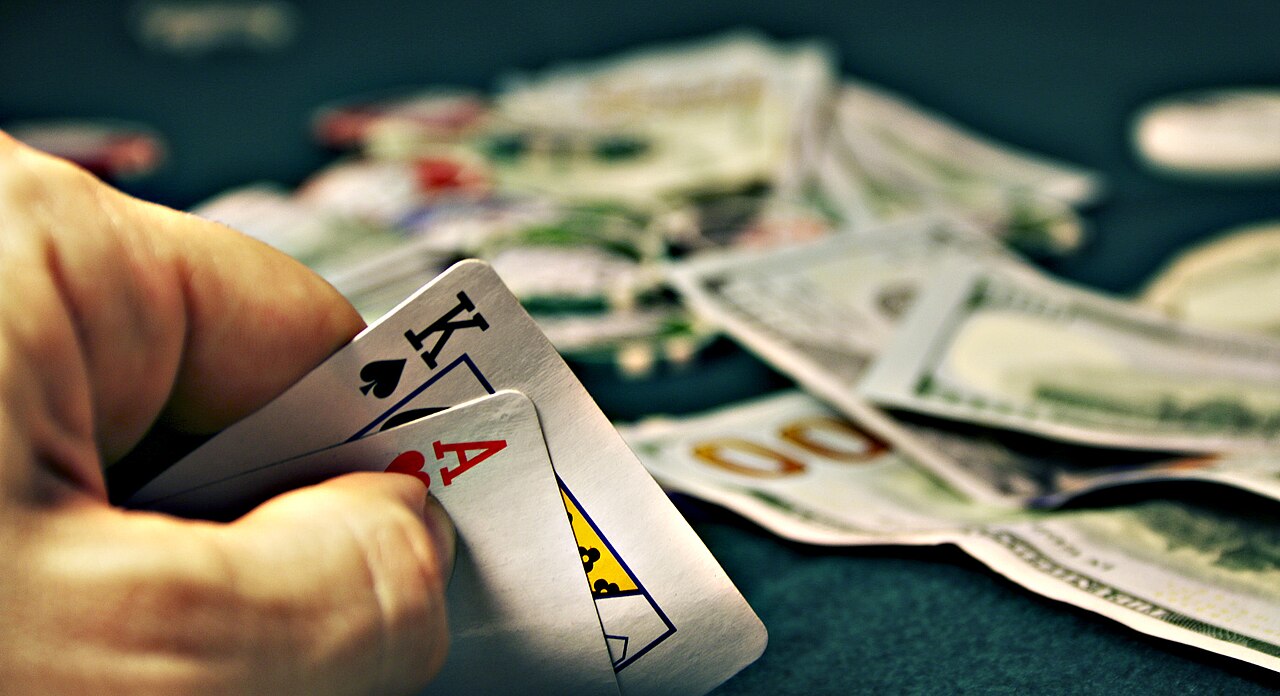
Of those three additions, position is the one newcomers dismiss fastest and regret longest. Acting last on every round means each decision you take is informed by what everyone else has already done. Acting first means committing money into a fog. That is the entire idea, and it is worth more than any starting-hand chart you will find.
In practice, the same two cards are worth substantially more from late position than from early, and a holding you would discard without a thought from first seat becomes a routine raise from the button. One habit, adopted tonight, at no cost: play more hands when you are last to act and fewer when you are first. Nothing else on this page pays back as quickly.
Once shared cards exist, most of your genuinely hard decisions are about draws — whether the price in front of you justifies chasing something that is not yet a hand. That is precisely what the two tables above are for. Count the outs, turn them into a rough percentage, hold it against what the pot is offering, and you have an answer that owes nothing to how attached you feel to the hand.
The arithmetic is the easy part. Obeying it when the answer comes back as fold is the part that costs people money for years. A flush draw looks precisely as beautiful when it is badly priced as when it is well priced, and the itch to see one more card is the single most expensive habit at every low-stakes table in India. My ₹300 fold that Thursday felt terrible and was the best decision I made all evening.
The account does not know or care where you are standing. The login you set up at home works the same on the 7:40 bus out of the New Bus Stand, in a hostel room in Coimbatore, at a cousin's place in Chennai, or halfway up the Yercaud ghat road once the signal returns after the hairpins. Your balance, your seat in a running tournament, your deposit history and any limits you have set all travel with the login rather than living on the handset. FairPlay India covers what that means from state to state, since local rules — not the software — decide whether you are permitted to play.
Practically speaking, that means a tournament you enter on the home wifi during a downpour can be finished on mobile data at a tea stall near Five Roads if the electricity goes again, which in October it will. Same wallet, same table, same stack. The same balance also covers cricket and the rest of the sports book, so money deposited for a TNPL evening is sitting there when a sit and go looks more appealing than the match.
Start with FairPlay register, which wants a mobile number, a password and very little else. Once you are through, a FairPlay login gets you back in from any device, and your FairPlay ID is the single identity behind the cash tables, the tournaments and the sports side alike.
Do the identity check early rather than on the night you want your money out. It asks for proof of who you are and proof of the account you are withdrawing to, and doing it in a calm ten minutes beats doing it while a withdrawal sits waiting. Deposits go through UPI in seconds, which is all you need for a ₹50 buy-in, and the wider payment methods page sets out what else is accepted. If the tables are not where you want to begin, the app and the live dealer rooms run off the same account with nothing further to set up.
Poker attracts a particular kind of hustle, because the game rewards skill and that makes skill saleable. You will meet Telegram groups offering a bot that reads the table for a few thousand rupees, screenshots of enormous balances, agents who will load chips into your account at a discount if you send them the money first, and private clubs promising a table full of weak players once you deposit through their link.
Apply one test to all of it. A tool that genuinely beat these tables would earn its owner far more by quietly using it than by selling copies to strangers in Salem. Nobody sells a working money printer. The safe version is dull and it works: deposit through your own UPI app from your own phone, never hand over your password or an OTP to anyone whatever they claim to be, and take questions to customer support inside the account rather than to whoever messaged you first. Real support will never ask for your password.
Poker eats time in a way the other games do not. A cash session ends when you stand up, which can be never, and a tournament genuinely can run past midnight — the rain stopped hours before I closed the app that Thursday. Both facts make this a game where deposit and session limits are worth putting in place while you are calm rather than three hands into a bad run.
Responsible gaming lists the controls and how to switch them on, and bonuses is worth reading properly before you accept anything, because release conditions differ. Buy-ins open at ₹50 for a reason. Learn the price of a draw at a stake where being wrong costs you the price of a filter coffee at Five Roads, and let the numbers grow only after the habits have.
FAQ
Rake, prices, the rule of 4, moving across from Teen Patti, and the people who will try to sell you a shortcut.
There is none, and that makes poker the odd corner of the lobby. Roulette prices itself at 2.70% against you, blackjack at roughly 0.5%, and both of those figures hold whoever happens to be sitting there. Poker skips that arrangement altogether. The operator shuffles, deals, takes rake out of the pot and then has no interest at all in who scoops it. Anything you win has come out of somebody else's stack, so the six people around you matter far more than any number printed on this page.
Rake, and it deserves more respect than most beginners give it. Line up six players who are exactly as good as one another. Take the rake away and the game runs for ever with all six flat, because it is a closed loop and nothing leaks out. Put the rake back and every one of those six is now losing money at the rake rate, since chips keep leaving the table and none of them is winning them back. The target is therefore not being good. The target is being enough better than your particular table to cover what the rake removes, and thin edges that would print money in a rake-free game do not survive the trip.
They are the price the middle is quoting you on a call. Say ₹300 is sitting in the pot and the action leaves you ₹300 to call: you are risking ₹300 to collect ₹900, so the call breaks even if the hand comes home a third of the time, 33.3%. Shrink that call to ₹100 into the same ₹300 and the requirement drops to 25.0%, because now you are risking ₹100 to collect ₹400. Call divided by pot-plus-call, every time. It takes three seconds, it works identically at a ₹50 table and a large one, and most losing players never do it once in an evening.
Close enough to trust on small draws, and quietly generous on the big ones, which is the half nobody teaches. Four times your outs on the flop lands within about a point of the truth up to nine outs — the flush draw everybody knows reads 36% by the rule against 35.0% in reality, and you will never lose money on a gap that size. Push past that and it slides. Fifteen outs is really 54.1% rather than the 60% you were promised, and twenty-one outs is out by roughly fourteen points. The rule of 2 on the turn leans the opposite way and shortchanges you slightly, so eight outs is genuinely 17.4% where the rule says 16%. Keep using both. Just know which direction each one is lying in.
Three things, and the hand rankings are not among them. Community cards come first: five cards sit face up in the middle and everybody builds from the same five, which is what creates draws, and chasing or releasing draws is most of what the game is. Then bet sizing, because you choose the amount rather than matching a fixed stake, so the size you pick is information you are either giving away or manufacturing. Then position, meaning where you act in the order, which shifts every hand as the button travels round. That is the whole syllabus. A Teen Patti player already owns the harder half, which is reading the human being on the other side of the bet.
Ask an experienced player which advantage they would surrender last and it is this one. Acting last on every street means each choice you make is taken with more information than anyone else at the table has, and the identical two cards are worth noticeably more from the button than from the seat beside the blinds. If you take a single habit away from this page, take that one: open more hands when you are last to act, throw away more when you are first. It costs nothing to adopt, needs no study, and the effect shows up in the same session.
You can, and there is no cheaper classroom anywhere in the building. Buy-ins start at ₹50, and the errors that quietly drain a micro-stake bankroll are the same errors that drain a large one — calling too wide, ignoring where you are sitting, chasing a draw at a price that never justified it. Paying a few hundred rupees to have those pointed out beats paying a few thousand for the identical lesson later. Nothing about the arithmetic changes as the stakes climb. Only the size of the sting does.
It does. One login covers the whole of India, so the account you opened at home on Omalur Main Road is the account that loads on the bus to Coimbatore, in a hostel room in Chennai or halfway up the Yercaud ghat road when the signal finally returns. Your balance, your open tournament seats, your deposit history and your limits all follow the login rather than the handset. The state you happen to be standing in decides whether you are allowed to play, not whether the software works — that part is identical everywhere.
No. A tool that genuinely beat these tables would be worth vastly more to its owner than the few thousand rupees they are asking you for, which tells you everything about what is really being sold. The same logic covers screenshots of enormous cash-out balances, private groups promising a soft table if you deposit through an agent, and anyone offering to load chips into your account for a discount. Fund your own account through your own UPI app, keep your password and your OTP to yourself, and treat every guaranteed profit as a sales pitch rather than an offer.
Real-money gaming in India is settled state by state rather than nationally, and poker's standing has been argued in courtrooms for years without landing anywhere permanent. What binds you depends on where your feet are and which rules are currently in force there, and those rules have moved more than once. Check your own position before you sit down. Play is restricted to those aged 18 and above, and nothing on this page is legal advice.
Explore FairPlay