

A Sunday that starts at Shivaji Park
Half past seven on a Sunday morning and there are four or five games running at once on the same brown ground, with nobody having agreed where one outfield stops and the next one begins. A boy in whites stands at deep midwicket for his own side and at square leg for somebody else's. Along the railing the coaching camps have their nets up and a queue of eleven-year-olds waiting to bat. The walkers go round the edge in the opposite direction to everybody else, as they always have. By ten the light is too hard to stand in, so you cross to Matunga, get a filter coffee somewhere near King's Circle, and put the phone face up on the table. Mumbai Indians are at home tonight.
That is the shape of the day, and the betting fits into the gaps in it. Twenty minutes over the coffee. Ten more on a Central line local with one hand on the rail. Then the toss, and then nothing much until the innings break. Nobody in Dadar plans an evening around a bet. They plan it around the game and the bet comes along for the ride, which is roughly the right order for it.
This page is written from that end of the city rather than from inside the stadium, because that is where almost everybody actually is. If you want the wider national picture — payment rails, verification, what the platform covers in general — that lives on FairPlay India. What follows here is the local version: which markets are worth your attention in this city, why the dew matters more than the team sheet, what the Mahalaxmi season rewards, and what happens to all of it when the rain comes in June.
What actually happens when you back a side at the toss
Take the ordinary case. A home fixture, 7:30 PM start, and you are still at the table in Matunga at about quarter past seven with a second coffee you did not need. You open the app and go to the cricket. The match odds market shows both sides with a decimal price against them — say 1.80 against one and 2.05 against the other, though the real numbers move constantly and will not be those.
Decimal odds mean one thing and it never changes: your stake multiplied by that number is what comes back if the bet lands. Put ₹500 on at 1.80 and ₹900 returns to the wallet, which is your ₹500 back plus ₹400 of profit. If it loses, the ₹500 goes at settlement and nothing else is deducted. There is no separate commission line on a match odds bet to work around.
Now the toss goes. This is the bit worth watching once, properly, before you ever have money involved. Say the side that wins it puts the other in. Within a minute or two the price against the chasing side shortens — 2.05 drifting to 1.85, something in that region. Nothing has changed about the players. What has changed is that the market has repriced the dew, and it does that faster than you can type. If you want the chasing side at a decent number you take it before the coin lands and accept the risk of being wrong about the toss. If you want certainty you wait and pay for it. Both are defensible; doing neither and dithering for four minutes is not.
The mechanics from there are dull, which is how they should be. Tap the price, the slip opens, type the stake, confirm. It comes back accepted, the stake leaves your balance and the potential return is written beside it. Occasionally it comes back rejected because the price moved while you were typing — in that case nothing has been taken, the new price is in front of you, and you take it or you do not. Once the innings starts the prices keep moving ball by ball. A boundary nudges them, a wicket shoves them. You can leave the bet alone and let it settle after the result is official, and the winnings land in the same wallet you deposited into with no claim step in between. If you have never watched a market move live, put a small amount on a game you were going to watch anyway and simply observe it for an evening — that is worth more than any amount of reading, and the live betting page covers how in-play pricing is put together.
The dew is not trivia, it is the market
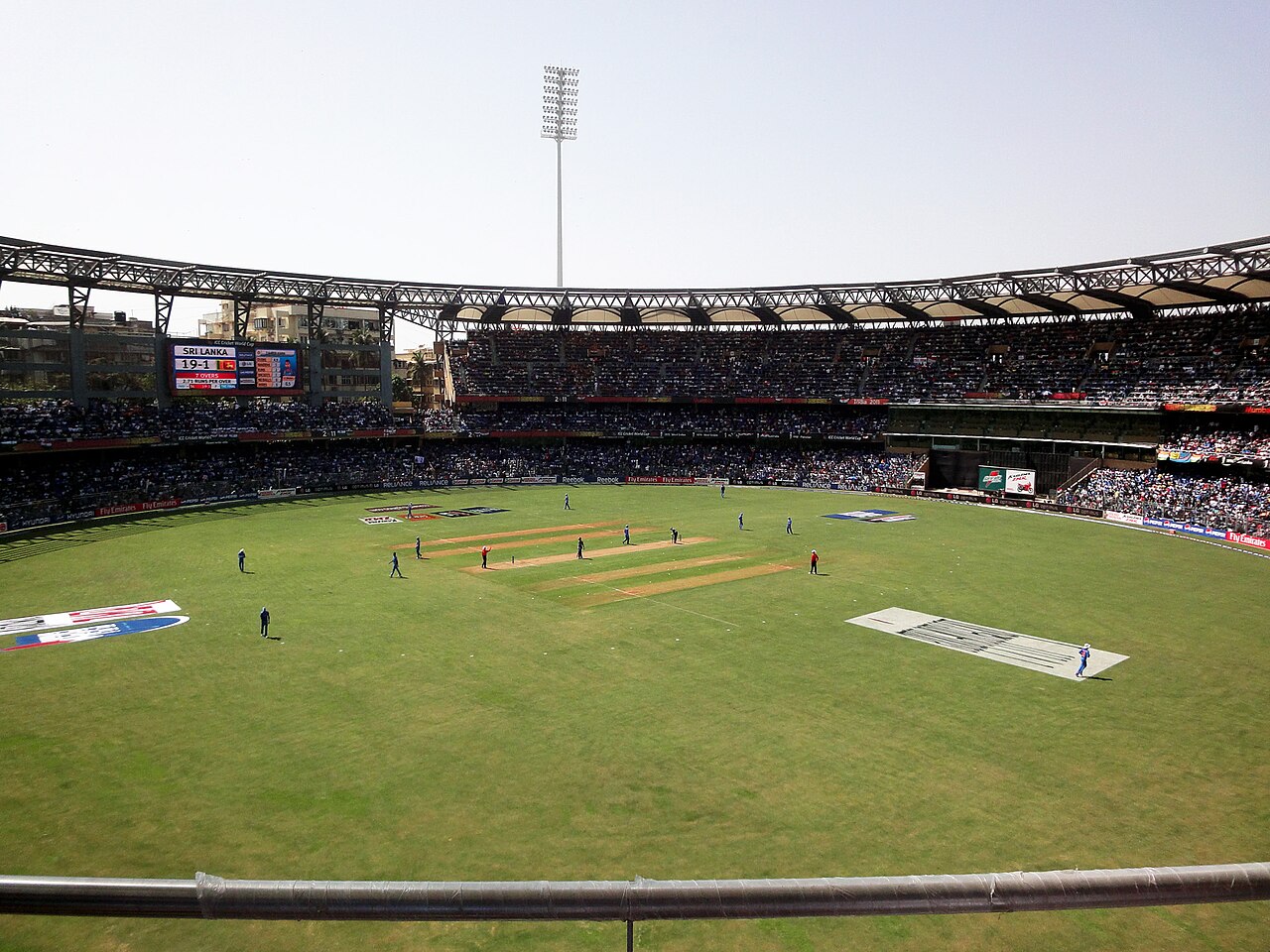
People in this city talk about the toss at the Wankhede the way people elsewhere talk about a pitch report, and they are right to. The sea is a few hundred metres away, the air holds water, and by the middle of the second innings under lights there is a film of it across the outfield. Around the tenth over of that innings the ball starts coming off the surface wet. A wet ball skids on to the bat instead of gripping, and a spinner cannot hold it well enough to do anything with it. Short square boundaries and a quick outfield finish the job. The team batting second gets a game that is measurably easier than the one the team batting first played.
Anyone who learned the game on the maidans knows the feel of this without ever having read a word about it. A ball that has sat in damp grass behaves differently, and on a Dadar evening in the weeks after the rains you get a version of it on public ground for free. The useful habit to take away is simple: on a night fixture in this city, do not touch the match odds market before the toss unless you have decided in advance that you are happy to be on the wrong side of it. And treat a first-innings total as provisional. A score that looked twenty runs above par at the break has a way of looking ordinary by the fourteenth over of the chase.
Mahalaxmi rewards the people who keep notes
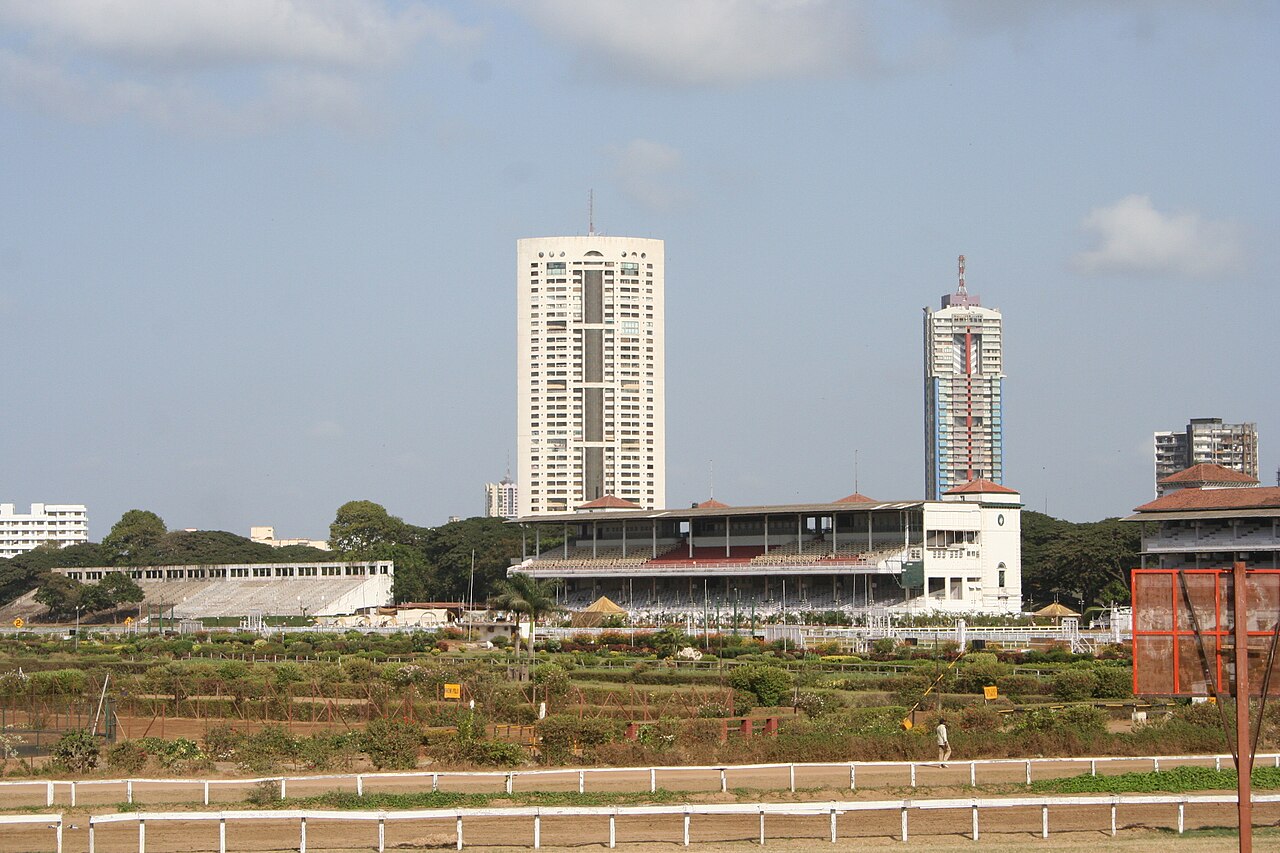
The racecourse sits on the sea face at Mahalaxmi, a short ride down the Western line from Dadar, and the Royal Western India Turf Club runs its season there from around November to April. Derby day in February is the one everybody knows, and it is a genuine occasion — hats, crowds, the deepest markets of the racing year. It is also not where the value is.
The value is in the repetition. Across a season the same horses, the same trainers and the same handful of jockeys turn up week after week on one track. That is an unusually stable dataset by the standards of Indian sport, and it means form reading pays here in a way it does not on a one-off card. Keep a notebook — paper is fine — and after a few weekends you start to see which runners take to the Mahalaxmi turf and which never quite do, which trainers place a horse where it can win rather than where it will be seen, and which animals have a habit of running well enough to attract money and then finding nothing in the last furlong.
Hardly anybody does this work, which is precisely the argument for doing it. A punter who has watched twelve cards at one course and written down what he saw is not competing on the same terms as a man reading the names in a newspaper an hour before the off. The racing page goes through how a card is laid out, what win, place, each-way, forecast and tanala actually pay, and how to read the going.
June to September, when the city changes game
The rain arrives and the professional calendar thins out to almost nothing. Racing packs up and goes to Pune, where soft monsoon going turns the formbook over — horses that could not win a race at Mahalaxmi suddenly can, and it is worth treating the Pune season as a separate study rather than a continuation of the Mumbai one. International cricket goes elsewhere entirely. For four months this is not a city with much to bet on locally.
What carries on is club cricket, because it always has. The Kanga League has been played through Mumbai monsoons since the 1940s, on soaked and often matting wickets, and on any given Sunday in July you can stand at Shivaji Park in a drizzle and watch grown men bat on a surface that would be abandoned anywhere else in the world. Nobody is offering odds on it and nobody should. Its value to a bettor is indirect but real: it is a large part of why cricketers from this city look so untroubled when a ball starts moving about in a Test match, and if you are pricing an Indian batting line-up in awkward conditions, knowing where those techniques were built is genuinely useful context.
Practically, the monsoon months are when the sensible move is to narrow rather than widen. European football starts up again in August and the temptation is to fill the local gap with leagues you know nothing about at midnight. A better use of a wet Sunday is to go through your own record from the season just gone and work out where the money actually went. Almost nobody does this either.
Kabaddi, indoors, while Dadar drains
U Mumba play at the NSCI Dome in Worli, which has a roof, and that single fact makes them the most schedule-proof team in the city. The Pro Kabaddi season runs October to December, slotting into the stretch after the rain has gone and before the racing season gets serious. Nothing gets washed out. Nothing gets moved.
For a bettor the interest is the shape of the market rather than the sport's glamour. Kabaddi carries thinner markets than cricket and a strong local following, which is the combination where knowing the actual team — who raids in the first ten minutes, which corner defender is carrying a knock, how a side plays once it is two men down — is worth more than it would be in a heavily traded market. Raid, tackle and handicap prices are all up for U Mumba fixtures, and the kabaddi page explains how each of them settles.
One account, one wallet, and no Mumbai edition of it
The product is not built city by city. The same FairPlay login opens the same account with the same balance from a flat in Matunga, a hotel in Nagpur, a site office in Pune or your village in the Konkan during Ganpati. Same markets, same limits, same bonus terms, same support queue. There is no Mumbai edition and no Maharashtra edition, and a Matunga postcode buys you nothing a Ratnagiri one does not.
Be clear about what that does and does not settle. It says the software, the odds and the money rails behave the same way; it says nothing about whether you may bet from a particular place. That second question is decided by the rules that apply where you are, not by your account, and it is the one to check for yourself before you rely on the first.
What does change from place to place is the network, and that is worth planning around rather than being annoyed by. On a weak signal the app generally holds a live market better than a browser tab does, because it is asking for less on every refresh. If you are travelling for a week, top the wallet up before you go rather than trying to make a UPI payment work off two bars of signal at the exact moment a price is moving. And keep the same phone number and the same verified details throughout rather than improvising a second set on the road, so that anyone who ever has to look at the account — support, the verification desk — is looking at one account belonging to one person, which is what it is supposed to be. A withdrawal that has to be matched against a name and a bank account goes through quickest when none of those details has quietly changed since the day you opened it.
If you have not registered yet
The process is short and there is no reason to make it complicated. Go to FairPlay register, give a phone number you actually control, confirm the code that comes through, and set a password you do not use anywhere else. Enter your name exactly as it appears on your PAN and on your bank account, because a mismatch there is the single most common reason a first withdrawal gets held up while somebody sorts the paperwork out.
Verification is document work, not an interview. An ID and something confirming your bank details, uploaded once, checked, and then done with. Do it on the day you open the account rather than on the evening you want to take money out, which is a much less pleasant time to discover a blurry photograph is not good enough. After that, depositing is a UPI transaction like any other and withdrawal goes back to the account in your own name — the payment methods page lists what is supported. Before you put anything on, set a deposit limit on the responsible gaming screen. Doing it on a quiet afternoon, with no game on, is how you get a number that reflects what you actually meant.
One more thing for a first week. Decide what a month is worth to you before you start — say ₹2,000, or whatever figure you would not mind explaining at home — and treat it as the cost of following the season rather than as a float you are trying to grow. Read the bonus terms properly too, particularly the turnover requirement, because a bonus that has to be rolled over several times is not the same thing as money in your pocket, however it is presented.
The Dadar station version of the scam
Every popular thing in this city acquires a layer of men selling access to it, and betting accounts are no different. You will come across the offer in a WhatsApp group, in a Telegram channel, or in a queue for chai outside the station: he will open a FairPlay ID for you, get you a better bonus than the site gives, take your money by UPI and credit your balance himself. It sounds like a convenience. It is not one.
Work through what he is actually offering. He is charging you for a registration that costs nothing and takes five minutes. The account is in his details, not yours, so the money in it is under his control and he can empty it whenever he decides to. Because your identity was never verified on it, you have no clean route to a withdrawal and no standing to complain when it disappears. Deposits made to a personal UPI number are not deposits to the platform at all — they are a transfer to a stranger, and no amount of screenshotting afterwards changes that.
The same instinct applies to tips. Nobody sells a guaranteed Derby winner. Nobody has a fixed session in an IPL game. If somebody had information of that kind, selling it to you for ₹1,000 a month would be a strange way to use it. Anyone who calls or messages claiming to be from support and asks for your password or an OTP is lying, without exception, because the real team never needs either. Open your own account, download the app from the official page, keep your credentials to yourself, and route every question through customer support. If something about a message feels wrong, it is easier to check than to undo.
Late kick-offs, UPI at odd hours, and the size of a Sunday
This city keeps late hours and its sporting calendar reflects that. ISL kick-offs at 7:30 in the evening, European football from 11 PM onwards, and on Derby week a crowd that is still talking about the fourth race long after the last one has been run. A good share of the betting here happens well outside anything a bank would call working hours.
That is the plain reason UPI has taken over from NEFT and net banking for this. It behaves the same at 1 AM as it does at 1 PM, and payouts run on the same footing. The convenience is real and it cuts both ways, which is why the deposit limit mentioned earlier is worth more than it looks. Decisions made at half past one on a Tuesday with a live market in front of you are not your best ones, and a limit set in daylight is you making that decision while you were still in a fit state to make it.
Which brings it back round to the maidan. The people who follow this properly for years, and there are plenty of them in Dadar and Matunga, are not the ones with a system. They are the ones who know one thing well — a course, a franchise, a league nobody else bothers with — and who keep the stakes small enough that a bad month is a bad month rather than a problem. Next Sunday there will be four games going at once on that brown ground, the same walkers going the wrong way round, and someone at a table near King's Circle with a coffee and a phone waiting for a toss. That is the scale of the thing. Keep it there.