
Three sides, one competition
Match odds, sessions and innings totals on Mumbai, Maharashtra and Vidarbha right through the domestic winter.

Marathi support · Instant UPI
The shutters come down on Solapur's cloth market a little after nine, and half the shopkeepers walk to the bus stand with a Ranji scorecard still open on the phone. This state sends three first-class sides to that tournament, keeps two racecourses busy on opposite halves of the year, and owns two kabaddi franchises that play each other. A FairPlay account reaches all of it from one wallet, wherever in Maharashtra you happen to be standing.
Three Sides, One State
Nearly every state sends a single team to the Ranji Trophy. This one sends three, a distinction it shares with Gujarat alone, and from a Solapur point of view they are three quite different propositions.
| Side | Based | What it is | What that means for pricing |
|---|---|---|---|
| Mumbai | Mumbai | The most decorated name in the whole competition, carrying more than forty Ranji titles | The reputation is already inside the price at home, so a genuine overlay against them is rare |
| Maharashtra | Pune | The state's second first-class side, run out of Pune and drawing on the districts around it | Players come and go between seasons, so this week's team sheet beats last year's reputation |
| Vidarbha | Nagpur | Nagpur's side, which took the Ranji Trophy in 2017-18 and then again in 2018-19 | Living proof that a domestic price can sit well behind what a team has already become |
Vidarbha are the side to keep in your head. A Nagpur team with none of Mumbai's history behind them and none of its production line took the Ranji Trophy two winters running, in 2017-18 and then in 2018-19. For two entire seasons the price on them lagged the team they had already turned into. That gap is the whole argument for watching the domestic game properly instead of surfacing once a year for the IPL.
The Maharashtra Year
Two racing seasons, three cricket sides, two international grounds and one kabaddi derby, spread right across the state instead of piling up in a single city.
| What | Where | When | Why it matters |
|---|---|---|---|
| Mahalaxmi racing | Mumbai | November to April | The winter half of the racing year, put on by the same club that later shifts to Pune. |
| Pune racing | Pune | July to October | The monsoon end of the calendar, and stacked on Mahalaxmi it keeps a card running nearly all year. |
| Pro Kabaddi derby | U Mumba v Puneri Paltan | Twice a season | Two franchises out of one state, which is why this is the kabaddi night Marathwada argues about. |
| Ranji Trophy | Mumbai, Pune, Nagpur | Roughly October to March | Three sides from one state in one tournament, and every so often drawn against each other. |
| IPL | Wankhede and Gahunje | March to May | Mumbai Indians at the Wankhede plus fixtures at Gahunje, in the months nobody in Solapur goes outdoors. |
| Test cricket | Wankhede and VCA Nagpur | Winter months | Two international grounds at opposite ends of the state, on squares that behave nothing alike. |
For Maharashtra Players
Every fixture in the state on a single account, Marathi on chat, and banking built for Indian rails rather than bolted on afterwards.
Match odds, sessions and innings totals on Mumbai, Maharashtra and Vidarbha right through the domestic winter.
Win, place, each-way, forecast and tanala on Mahalaxmi and Pune cards, with the place terms printed on the market itself.
Both state franchises covered all season, derby included, with raid and tackle markets live while the mat is in use.
Marathi on live chat and WhatsApp whether you are in Dadar or Dharashiv, with Hindi and English sitting alongside.
Indian Super League kick-offs early in the evening, then Europe through the small hours, all on one login.
Deposits land in seconds from any UPI app, and payouts return to the bank account carrying your verified name.
My cousin keeps a towel and chaddar counter two lanes behind Solapur's main market, and the shop shuts when the last customer leaves rather than at any fixed hour. Through December he has the Ranji scorecard open behind the till. The Maharashtra side is batting in Pune, which is a night bus away, and nobody in that lane is getting on it. So the cricket turns up the way most sport turns up in this half of the state: down a mobile connection, in pieces, between customers.
That is the honest picture of following sport in Solapur and across the Marathwada districts behind it. It is not a stadium habit. In May the heat sits on the town until well past six and nothing much moves before then. The bus to Pune goes late at night. The nearest first-class ground belongs to somebody else's city. What you have instead is a phone, a decent connection most days, and an enormous amount of sport attached to a state that happens to own more of it than anywhere else in the country.
Here is the whole thing, start to finish, because most explanations skip the middle. Maharashtra are batting first in Pune. The scorecard says sixty for two at drinks and the match odds have them a shade of favourite. Say the price on them is 1.80. You open the app, tap through to cricket, find the fixture and tap that number. A slip opens with an empty stake box in it.
Put ₹500 in the box and the slip does the arithmetic in front of you. At 1.80 a ₹500 stake returns ₹900 if it lands: your ₹500 back, plus ₹400 of winnings. You tap confirm. The ₹500 leaves the wallet straight away and the bet drops into your open bets list with 1.80 frozen against it. Whatever the market does for the rest of the day, that number on your bet does not move.
The middle is the part worth learning. An hour later the same side is a hundred and forty for two, the bowling has gone flat, and the market has watched exactly the session you have. The price on them is shorter now, say 1.40. Your bet still pays at 1.80. What has changed is the cost of the opposite position, and that is the lever. Back the other side at the new number and you lock a smaller result whichever way the match ends, instead of carrying the whole thing into a fourth afternoon and a declaration you cannot predict. That is all trading out means, and the mechanics of doing it mid-match sit on the in-play betting page.
Now the bit that matters from a shop counter in Solapur. A Ranji market is being priced by a very small number of people. An IPL market on a Saturday night is being priced by an enormous number of them, all holding the same team news you are. If you have watched the Maharashtra side through a whole winter, know which seamer has broken down and have a feel for what the square does after tea, that knowledge is worth something on a December morning and worth close to nothing in April. Domestic and first-class markets are laid out on the cricket page.
Cricket reaches these districts through a screen. Kabaddi does not. There is a tournament on a mud court in more or less every taluka once the harvest is in, with a rope for a boundary and the crowd standing on the bund, and most of that crowd has played the game rather than only watched it. So when U Mumba meet Puneri Paltan, the argument in the room is technical. People are watching the raider's back foot and the corner defender's timing, not the scoreboard.
Both franchises pull their support out of the same state, which is why this fixture splits a workplace instead of a map. It attracts the heaviest kabaddi money in Maharashtra by a long way, and for a bettor that pulls in two directions at once. Heavy money means a tight price and very little room for a soft line. Heavy money also means depth, and depth is what lets you get out at half time on a bet you have gone off, rather than sitting there hoping. What each raid and tackle market settles on is set out on the kabaddi page.
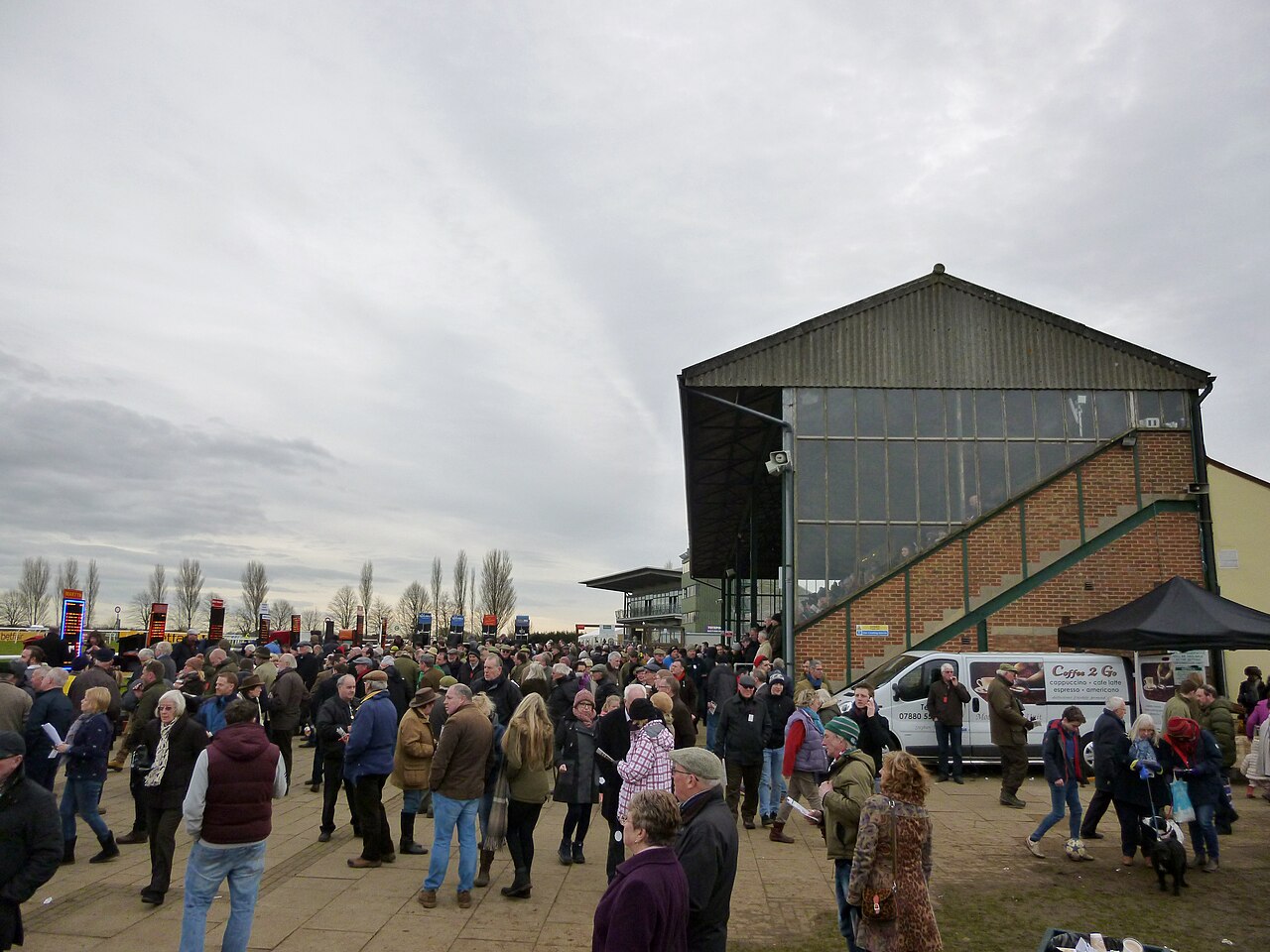
The Royal Western India Turf Club runs both racecourses in Maharashtra. Mahalaxmi in Mumbai takes the winter, November through April. Pune takes the monsoon, July through October. They are two halves of a single calendar rather than two clubs fighting over the same dates, and the practical result is that this state has racing on somewhere for most of the year while others get a season and then a long quiet stretch.
From Solapur you are not likely to be standing at either rail on a Sunday, which makes the race card itself the entirety of your information. Learn the each-way terms before anything else. It is the bet newcomers get wrong most often, usually because they read the win price and quietly assume the place part pays on the same terms, and the horse racing page works through that arithmetic properly. What rain-softened ground does to a monsoon field is a subject of its own, and the Pune page is where it is handled.
The state has two Test venues, the Wankhede in Mumbai and the VCA ground in Nagpur, and they do not play alike. Carrying a total that was par at one of them across to the other is the sort of quiet assumption that bleeds money slowly across a season. Pitch, outfield and boundary lengths differ, and not one of those things cares which state it sits in.
Hold on to the general version of that idea, because it travels. Price a totals market off the ground rather than off the region. Two venues inside one state can put completely different questions to a batting side, and a line on a map has never once changed how a first hour behaves.
One FairPlay ID covers everything described on this page: both racecourses, all three first-class sides, both kabaddi franchises, the football and every casino table, out of a single wallet with no transfer step between them. There is no Solapur edition of the product and no Mumbai edition of it either. The markets carry the same prices, the wallet holds the one balance, the login screen looks the same, and a UPI deposit settles under the same rules whether it was sent from a district town or a metro postcode. Nothing is issued per city or per district, which is rather the point of FairPlay India being one service instead of ten regional ones. What stays the same is how the product works. What you are permitted to do with it is a separate question, settled by the rules that apply where you actually are, and that is worth checking for yourself rather than assuming it comes along with the login.
Money moves on Indian rails. A UPI deposit from any app clears in seconds and shows in the balance before you have put the phone back in your pocket. A withdrawal goes to a bank account whose name matches the name verified on the account, and that matching step is far and away the most common reason a payout sits waiting. Sort it out on a quiet afternoon rather than on the night you actually want the money, and the withdrawal page says precisely what is being compared with what. Marathi is staffed on live chat and WhatsApp around the clock alongside Hindi and English, and you do not have to ask for it: begin in Marathi and the conversation stays there until the query closes.
It takes roughly two minutes and you can do it standing at the bus stand. You give a mobile number, take the OTP that comes back, set a password, and the account exists. Fill in your name and details exactly as they read on your own bank account and ID, because that is the text the payout check reads later. Then a UPI deposit from your own app, which lands in seconds, and the markets are live. The steps in order are on the FairPlay register page, and once the account exists the FairPlay login page is the only door you should ever use to get back into it.
One piece of advice from having watched friends start. Put a deposit limit on the account in the first week, while the whole thing is still boring and you have no feelings about it either way. Setting a sensible number on a Tuesday afternoon is far easier than setting one on the night a derby has gone against you, and the responsible gaming page keeps the limits and the self-exclusion tools in one place.
In a smaller town there is always somebody offering to open an account on your behalf for a small fee, usually with a screenshot of somebody else's balance attached to the message. Do not take it. An account opened by another person is that person's account with your money sitting inside it. The day you try to withdraw, the name on the account will not be your name, the bank check will not pass, and the man who set it up is the one holding the password.
The safe version is dull and takes the same two minutes. Register in your own name, deposit from your own UPI app, withdraw to your own bank account. Nobody from support will ever ask you for a password or read an OTP back to you, so a message that does is not from support no matter what the display picture shows. What a genuine account looks like is on the FairPlay ID page, and anything that smells wrong should go to customer support through the app rather than getting a reply.
FAQ
Three Ranji sides, two racecourses, the kabaddi derby, and how all of it reaches a phone in Marathwada.
Depth and history, rather than anyone drawing tidy lines on a map. Mumbai, Maharashtra and Vidarbha are three separate first-class outfits representing different parts of the same state, and the only other place that does this is Gujarat, which sends Saurashtra, Baroda and Gujarat. Every other state sends one. Mumbai on its own holds more than forty Ranji titles, and Vidarbha, out of Nagpur, took the trophy in consecutive seasons in 2017-18 and 2018-19.
There is, and it is the opposite of the reason people give for betting on the IPL. Domestic markets are thin. Far fewer people are pricing them, team news travels slowly, and nobody is running a Ranji morning through a model. Vidarbha winning back-to-back titles is the cleanest illustration anyone could ask for: two full seasons in which the market's idea of a side trailed the side itself. If you actually follow this cricket, that gap turns up here in a way it simply does not in April.
Because one club runs both of them. The Royal Western India Turf Club stages Mahalaxmi in Mumbai from November to April and then moves the operation to Pune from July to October. The two halves complement each other instead of competing for the same dates, so racing is available somewhere in this state through most of the calendar year, which is not something another Indian club's fixture list can offer.
Both sets of supporters come out of the same state, so the fixture divides a workplace rather than a map. It draws the heaviest kabaddi money in Maharashtra, and that has two effects that pull against each other. The price is tighter, so a soft line is unlikely. The market is also deeper, which is exactly what you want if you intend to close a position at half time instead of holding it to the final whistle.
No, and assuming they do because both grounds sit inside one state is a costly habit. They are two separate international venues with their own pitch, outfield and boundary characteristics, and a par total at one is not a par total at the other. Price a totals market off the ground in front of you rather than the region it belongs to. Our cricket page goes into what to look at before the first hour.
Yes, and there is no separate queue for smaller towns. Marathi runs on live chat and WhatsApp at any hour of the day or night, everywhere in the state, with Hindi and English available on the same channels. You do not need to request it or wait for a transfer. Open the conversation in Marathi and the agent who replies carries on in Marathi until the query is closed.
No. A single FairPlay ID and one wallet reach everything described on this page: both racecourses, all three first-class sides, both kabaddi franchises and every casino table. There is no transferring of funds between a sportsbook balance and a casino balance, and where you happen to be sitting inside the state has no effect on which markets appear.
Online real-money gaming in India is regulated state by state instead of under one national statute, and Maharashtra sets its own position. Those rules have kept moving and have been argued over in court, so the only answer worth acting on is the one that currently applies where you are physically sitting. Confirm that before you bet.
Explore FairPlay