
 Teen Patti
 Roulette
 Poker
PokerA real deal, on camera
Cards come off a physical shoe and the wheel is a real wheel. Several cameras cover the felt, the result is read optically, and it lands on your screen together with the video.

Real Dealers, Real Cards
A wet evening in Rajarampuri, a phone propped against the sugar tin, and a dealer somewhere putting cards down that you watch land. That is what FairPlay live casino is — a real shoe, a real wheel, real hands. Teen Patti, Andar Bahar, roulette and blackjack run right through the night, the Hindi tables fill up after dinner, and a seat starts at ₹50.
What Is Dealt Live
Every one of these also exists as software. The dealer version runs slower, and that single difference does most of the work.
Pace
This governs how long a budget survives far more than the house edge ever does. A slower table at the same stake is simply a cheaper night out.
| Game | Rounds per hour | Betting window | Worth knowing |
|---|---|---|---|
| Andar Bahar | ~100 an hour | About 15 seconds | Quickest table on the floor, and the one that moves a bankroll fastest at any given stake |
| Blackjack | ~60 an hour | About 15 seconds | Drops off when every seat is taken, since each hand is played out on its own |
| Teen Patti | ~60 an hour | About 20 seconds | Betting happens in stages inside a hand, so the rhythm shifts from table to table |
| Roulette | ~40 an hour | About 20 seconds | The wheel refuses to hurry, which makes it one of the cheaper hours at a fixed stake |
| Baccarat | ~40 an hour | About 15 seconds | The speed variant roughly doubles the rounds, and doubles what an hour costs with them |
The dealer table is the cheap option, not the dear one. Software versions of these games deal several hundred rounds an hour against forty to a hundred here. Identical odds, identical stake, a fraction of the money pushed past the margin. The casino hub puts a rupee figure on that gap.
Mobile Data
Most people here play on a daily data pack. Nobody warns you how fast a live stream gets through one, so here are the figures.
| Stream quality | Approx bitrate | Data per hour | On a 1.5 GB daily plan |
|---|---|---|---|
| Low | ~0.3 Mbps | ~135 MB | Roughly 11 hours off a 1.5 GB pack |
| Standard | ~0.7 Mbps | ~315 MB | Roughly 5 hours off a 1.5 GB pack |
| HD | ~1.5 Mbps | ~675 MB | Roughly 2 hours off a 1.5 GB pack |
Turn HD off. Two hours of it finishes a 1.5 GB day. Standard gives you around five, and the cards look the same either way — this is a dealer laying cards on felt, not a floodlit match. The switch sits in the table settings, where almost nobody thinks to look.
At the Table
Six things about the way a dealer table runs, two of which newer players almost always get wrong.
Cards come off a physical shoe and the wheel is a real wheel. Several cameras cover the felt, the result is read optically, and it lands on your screen together with the video.
Between ten and twenty seconds, depending on which game you are at. Once it shuts the dealer deals, and no chip goes on after that.
Some tables run Hindi-speaking dealers, and those are the ones that fill up after dinner. The lobby lists the dealer language against each table before you join.
Standard tables begin around ₹50 and VIP rooms climb well past that. Both the floor and the ceiling are posted before you take a seat.
Dealers do not know the next card and cannot influence it, and the rules stop them advising you. Their job is to run the round, and nothing beyond it.
Table chat is moderated and dealers answer between rounds. Abuse gets people removed, and nobody sitting at the table can see what is in your wallet.
It had rained since Saturday without any real break. The Panchganga was high enough that people were putting photographs of the old bridge on every group I belong to, the lane outside my building in Rajarampuri had turned into a slow brown stream, and the Kolhapur Tuskers fixture I had been counting on was called off before a ball was bowled. So I did what a fair number of people in this city do on an evening like that. Chai, phone propped against the sugar tin, and a live roulette table opened on FairPlay.
The plan was deliberately boring. Two thousand rupees set aside, ₹100 a spin, and no doubling up when it went badly. The table I took was a European wheel with a dealer on camera, a ₹50 minimum, and roughly twenty seconds of betting time between spins. Forty spins an hour, give or take. Our lane tends to lose power for a while once the rain gets serious, so two hours was the realistic ceiling on the evening.
The first stretch was flat. Say you are sitting on red at ₹100 a spin — that is an even-money position, so a win hands your ₹100 back with another ₹100 on top of it. I won three of the first ten and was about ₹400 light. Spins eleven to twenty-six went the other way and put me in front. Then came a black run that everyone in the chat could see and nobody could do the slightest thing about. I stopped at seventy-one spins because the lights flickered, and I finished ₹300 down. Two hours of genuine entertainment for ₹300, which is less than an evening at a decent hotel on Rajarampuri main road.
That last figure is the reason I keep going back to dealer tables rather than the software versions of the same games. Seventy-one spins across two hours is a slow evening by any measure. The software wheel sitting in the same lobby would have got through several hundred spins in that time, at the same stake, against the same margin. What an evening costs is not the edge on its own. It is the edge multiplied by the number of times you play.
The lobby gives you a grid of tables, each showing its minimum, its maximum and the language the dealer speaks. Tap one and the stream loads before anything else does, so the first thing you see is the previous round finishing. A chip tray appears along the bottom, a timer starts, and you drag chips onto the layout. When the timer runs out the dealer calls no more bets and the table locks. Cards come off the shoe or the ball drops, cameras above the felt read the result, and your balance has already moved by the time the dealer finishes clearing. Then the next timer starts. That loop is the whole game.
Two things about that loop caught me out in my first week. The first is that the lock is absolute. A chip placed half a second late does not go on, and a chip placed in time cannot be dragged back off. The second is that the video and the result travel as separate pieces of information which the table keeps aligned. If your picture stutters on a bad monsoon night, the round has still happened out there. Your money follows the cards, never the video.
Dealer tables look expensive. Studio lighting, somebody in uniform, an actual wheel — it reads as the premium option, and people assume it charges like one. It is the cheaper option, and by a wide distance. Andar Bahar gets through about a hundred rounds an hour here, blackjack and Teen Patti around sixty, roulette and baccarat around forty. A software version of any of them will deal several hundred in the same hour. The house edge on the game itself does not change between the two. What changes is how much money passes through that edge before you stand up.
Put it in local money. ₹100 a spin on a forty-spin wheel is ₹4,000 through the table in an hour. The same ₹100 on a software wheel running three hundred rounds is ₹30,000 through the table in the same hour, out of a wallet that has not grown by a single rupee. Nobody sits down on a Tuesday intending to stake thirty thousand rupees. Speed does it quietly, round by round. Choosing a slow table is the cheapest decision anywhere on this page, and it costs you nothing but patience.
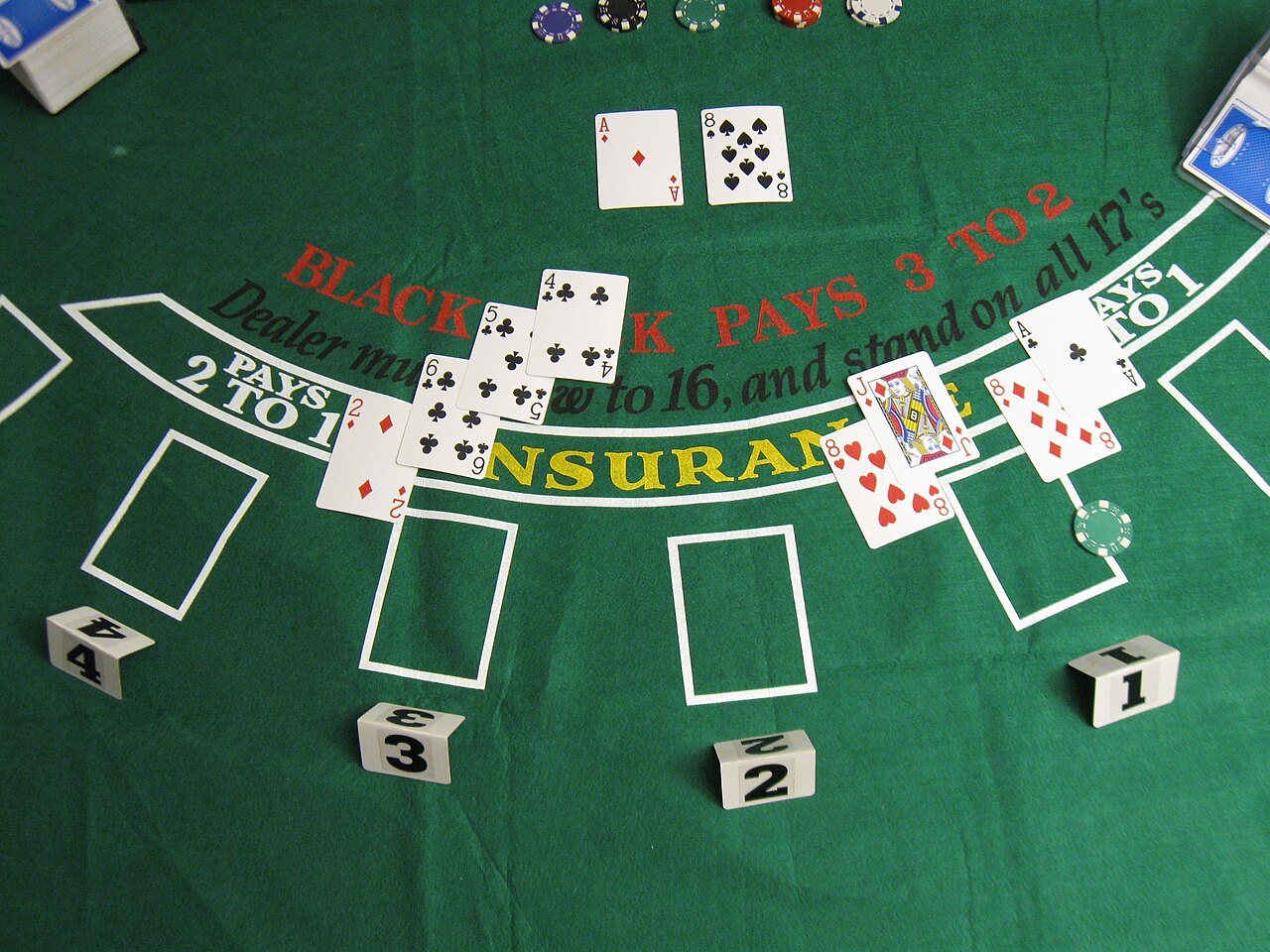
The betting window runs ten to twenty seconds depending on the game. That is generous when you already know your stake and your position, and hopeless if you are trying to invent a plan while a dealer waits and a clock counts down in front of you. I settle both before the table even loads: what one round costs, and where the chips go. On that rainy Tuesday it was ₹100 and red, seventy-one times over. Dull, and the dullness is rather the point.
The players who improvise inside the window are the ones who finish the night surprised by their own balance. The clock pushes at you, the last few results sit there on screen implying a story, and twenty seconds is exactly long enough to talk yourself into a bigger bet without being long enough to think it through. Decide in the rickshaw back from Laxmipuri if you like. Just decide somewhere other than inside the timer.
Blackjack shows this most clearly. One table pays a natural at 3:2, the table beside it pays 6:5, and the gap between those two is more than a full percentage point of house edge. Same name in the lobby, same studio, materially different game. Roulette wheels divide into European and American. Baccarat divides into standard and no-commission, and the no-commission one is usually not the bargain the label suggests. Every table posts its rules before you sit. Reading them takes ten seconds and outranks every decision you will make once you are seated.
I check three things now, always in the same order: the payout rule on the headline hand, the minimum and maximum, and whether the table is a speed variant. Speed versions are the ones that quietly undo everything the previous section argued for, because they take a forty-round hour and turn it into something much closer to software.
Baccarat tables display roads. Roulette shows the last dozen or so numbers. Andar Bahar shows which side has been landing. All of it is accurate, all of it is history, and none of it says anything whatsoever about the next round. The wheel carries no memory of the black run I sat through, and no shoe remembers the last one. That run looked meaningful because human beings are built to find shape in noise, and a grid of red and blue markers is very good at helping us do it.
The displays exist because these games carry centuries of ritual and players expect to see them. Treat them the way you treat the results board at a kusti tournament in Khasbag — worth a glance, no bearing at all on the next bout. Trouble begins the moment a board starts choosing your stake for you. That is when decoration turns into an expense.
Most people around here are playing on a daily pack rather than broadband, and a live stream will get through one faster than anything else on the phone. HD sits at about 1.5 Mbps, which works out at roughly 675 MB an hour — call it two hours of play on a 1.5 GB day, and that is before anything else you do with the handset. Standard quality is about 315 MB an hour and buys you around five. The lowest setting is roughly 135 MB an hour, which stretches to something like eleven.
I play at standard nearly all the time. You are watching a person place cards on felt, not a Ranji match, and the cards are exactly as readable either way while the difference to your pack is enormous. On speed, a steady 2 Mbps carries an HD table comfortably and standard needs far less than that. Stability matters more than the number does. During heavy rain in Rajarampuri my line does not really get slower — it disappears for two seconds at a stretch, and a dealer table dislikes that far more than it dislikes a connection that is simply modest.
There is no Kolhapur version of the account and no Maharashtra version either. Whatever you open here is the same account that loads in Pune, in Nagpur, in Bengaluru or in a hotel room in Guwahati. Same balance, same table limits, same UPI apps in the deposit screen, same history. I have played the same baccarat table from a flat off Tarabai Park and from a bus somewhere past Miraj, and the only thing that changed between them was the signal strength.
That matters more than it sounds, because the city pages describe local habits rather than local products. They cover which payment apps people actually reach for, which languages support answers in, which sports the local traffic follows. FairPlay India covers the country-wide picture, while Maharashtra and Pune sit closest to us. The tables, the stakes and the wallet behind them are identical wherever in the country you happen to open the app.
None of the above needs an account to read, but the tables do. Registration wants a mobile number and an OTP, and the FairPlay register page walks the form field by field if you would rather see it first. You then fund the wallet — UPI is what nearly everyone in this city uses, and it clears in seconds — and ₹50 is enough to sit at a standard table. Coming back after that is simply a FairPlay login with the same number.
Two things are worth doing on day one rather than on the night you want your money. Finish the account verification while you are in no hurry, because a withdrawal goes to a verified account and nobody enjoys hunting for an Aadhaar scan at eleven at night. And set a deposit or session limit before your first table rather than after your first bad one. Dealer tables are for players aged 18 and over, and the age check forms part of that same paperwork.
Live casino attracts a particular kind of nonsense and it deserves naming. Somebody will offer you a group that predicts the next Andar Bahar side. Somebody will sell you a roulette pattern for a few hundred rupees, generally alongside screenshots of enormous wins. Somebody local will offer to top your wallet up if you hand him cash near Bindu Chowk, or ask for your login so he can place bets on your behalf. Every one of these is a method of separating you from money, and the last one hands over the account itself.
The mechanics make the promise impossible on its face. The dealer does not know the next card, has no influence over it, and is not permitted to advise anybody. A group watching the same stream you are watching knows precisely as much as you do. Nobody from FairPlay will ever ask for your password or read an OTP back to you. Deposits go through the app and your own UPI, never through a person standing in front of you. Urgency is the whole method, so check anything odd with support before you reply, and keep your FairPlay login details to yourself.
Standard tables start around ₹50 and the VIP rooms go a great deal higher; each one shows its floor and its ceiling before you take a seat. Rounds settle on camera, so the dealer clears the losing chips and pays the winners in front of you, and the money is in your wallet before the next window opens. A withdrawal from a verified account normally reaches the bank inside ten minutes, which on that particular Tuesday was quicker than the water drained out of our lane.
The thing to watch is the length of the session rather than the size of the bet. A dealer table is built to be sat at, which is exactly why an evening at one runs long. Fix your stopping point with a clock or a number, not with a feeling. Responsible gaming lists the deposit, loss and session limits available, support will apply one for you on request, and the casino hub puts rupee figures on how the edge behaves across the rest of the lobby.
FAQ
Data, dealers, dropped signal and what the tables really cost.
A dealer in a studio deals real cards or spins a real wheel while several cameras watch the felt. The result is read optically and pushed to your device alongside the video, so the picture and the recorded round stay together. You put chips down from your phone inside a fixed window, and the dealer settles everything on camera in front of you.
HD runs at about 1.5 Mbps, which comes to roughly 675 MB an hour, so a 1.5 GB daily pack carries a little over two hours. Standard quality is around 315 MB an hour, and the lowest setting about 135 MB. Cards read perfectly well at standard, so anybody on a daily pack should turn HD off and keep the rest of the day for everything else.
Yes, on a selection of tables, and those are usually the busiest tables of the Indian evening. The language sits in the lobby listing against each table, so you pick before joining rather than working it out after you have already sat down and put chips on the layout.
A steady 2 Mbps runs an HD table without complaint, and standard quality asks for considerably less. Consistency beats raw speed by a distance here. A line that vanishes for two seconds every few minutes causes far more trouble at a dealer table than a line that is simply slow and never gone.
A bet accepted before the window closed stays live. The dealer deals, the round settles, and none of it waits for you to come back. Reconnect and both the result and the settlement are sitting in your account history. Losing signal cannot cost you a bet you never placed, and it cannot cancel one you did.
It is the other way round. A dealer gets through roughly forty to a hundred rounds an hour where the software version of the same game can deal several hundred. The margin applies to every rupee staked, so the slower table sends far less money past it. For a long evening on a set budget, the dealer table wins comfortably.
Standard tables generally sit between ₹50 and ₹100, which is higher than the software games because one dealer can only serve so many rounds in an hour. VIP rooms carry much larger minimums and much larger ceilings. Whatever the table, its limits are shown in the lobby and again on the felt before you sit.
No. The video travels one way only. You watch the dealer; the dealer has no picture of you and no view of your account. Other players see a display name and nothing else — not your balance, not your stake history. Dealers reply in table chat but cannot look up a single thing about your wallet.
Explore FairPlay